Felippe Moraes
The Drag That Said Phi, 2017
Color HD video – stereo sound
08’05”
Ed. 5 + AP
[MACRS Collection]
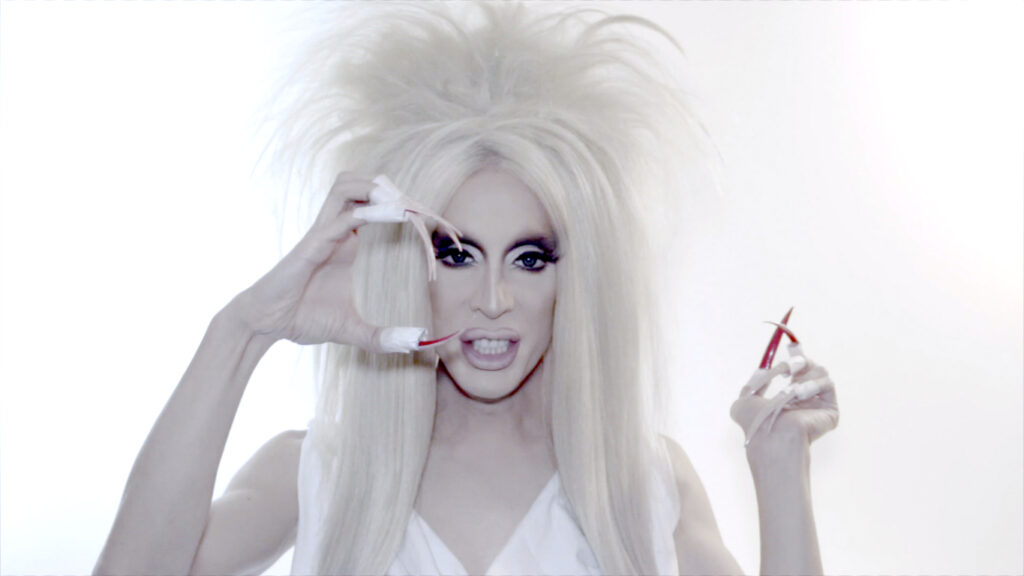
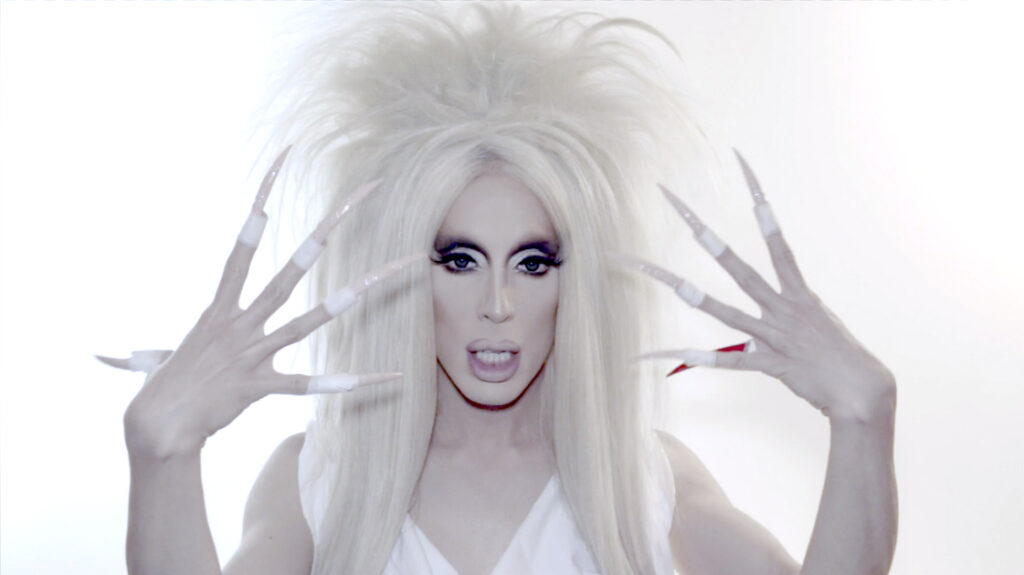
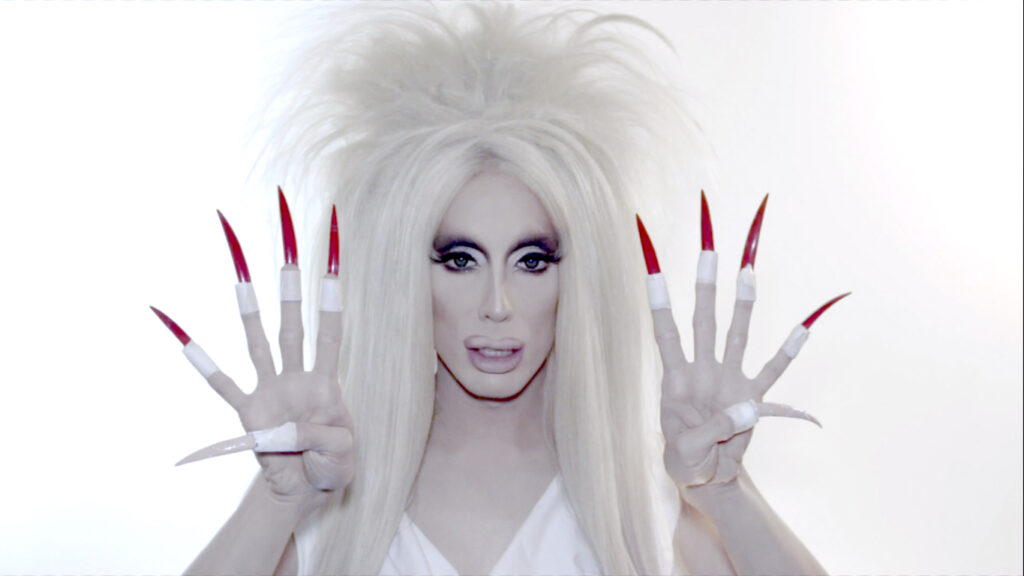
The Drag That Said Phi (2017) features performer Alaska Thunderfuck reciting the first digits of the irrational number known as phi (1.618…). Historically associated with ideas of harmony and formal perfection in the Western aesthetic tradition, this mathematical value emerges in the video as vocal and performative matter. By enunciating a potentially endless sequence, the work turns an abstract concept into bodily and sonic gesture.
The queer figure standing before this classical symbol from art history puts pressure on traditional notions of beauty that have shaped the Western cultural imagination. By shifting this mathematical reference into the territory of performance and identity, the work questions deeply normative aesthetic values that helped establish limiting conceptions of the beautiful, often bound to white, heteronormative perspectives.
Shot in a single take, the video foregrounds the artist’s gaze and performance as the numerical sequence advances hypnotically. The progressive repetition of the digits creates an atmosphere that oscillates between mathematical rigor and near-meditative experience. In attempting to pronounce an endless sequence, the work exposes the limits of language and reason before the idea of infinity.
Selected Exhibitions
- 2017 – Cosmografia – Felippe Moraes – Baró Galeria
- 2018 – Imensurável – Felippe Moraes – CAIXA Cultural Fortaleza
- 2019 – Victória sobre o Sol – Colégio das Artes – Universidade de Coimbra
- 2023 – MACRS FPS – curated by Bruna Martin – MACRS
The Queer Trilogy
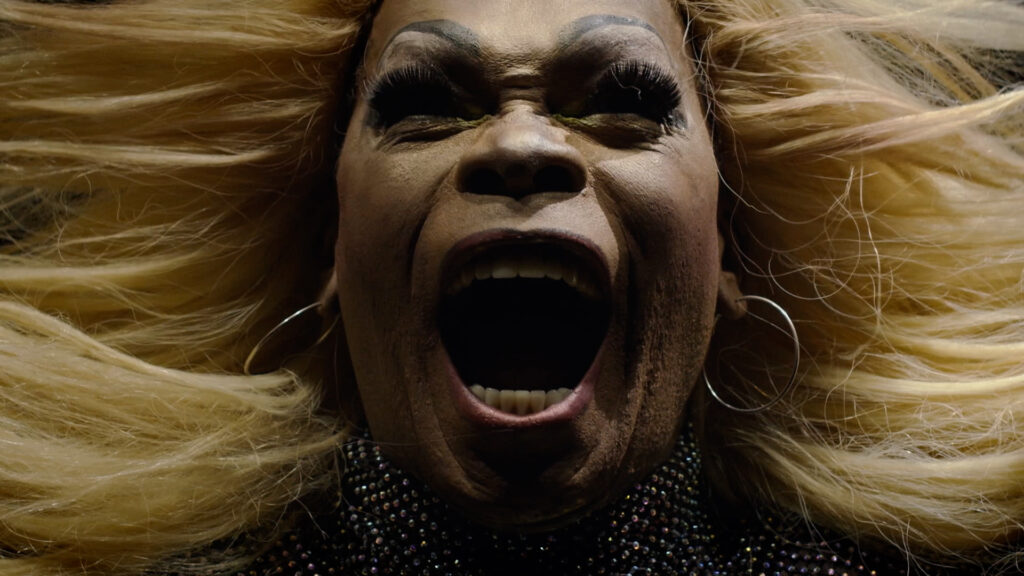
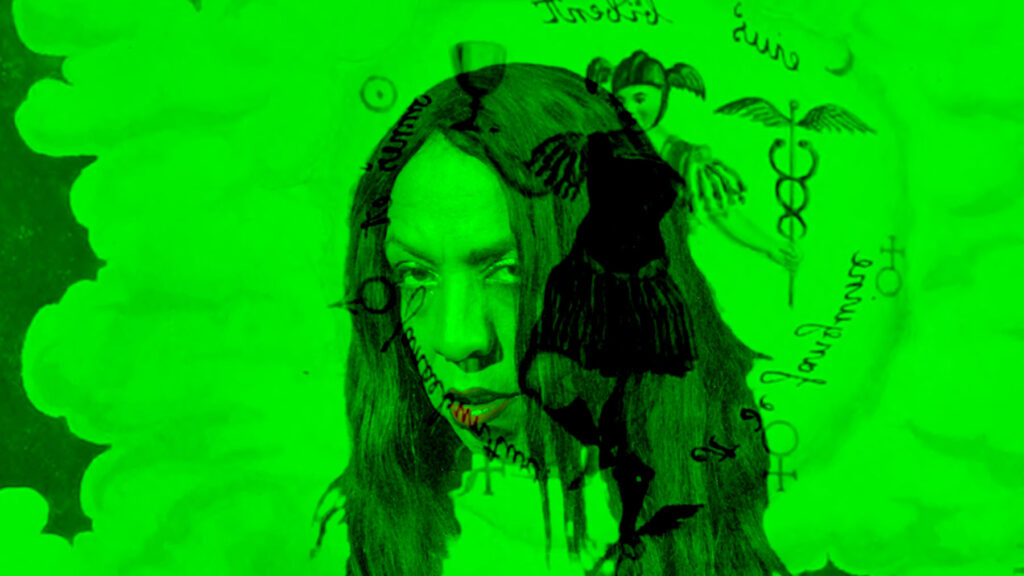
The Drag That Said Phi (2017) is part of a trilogy created by Felippe Moraes dedicated to artists from the LGBTQIA+ scene placed in unexpected conceptual situations.
The series also includes Panthera Lemniscata (2021) and A Tábua de Esmeralda (2022). In each of these works, artists connected to nightlife culture appear discussing themes such as mathematics, cosmology, or spirituality.
By bringing distinct cultural universes together, the group of works proposes a reflection on how different traditions of knowledge can meet and generate new visual narratives.